
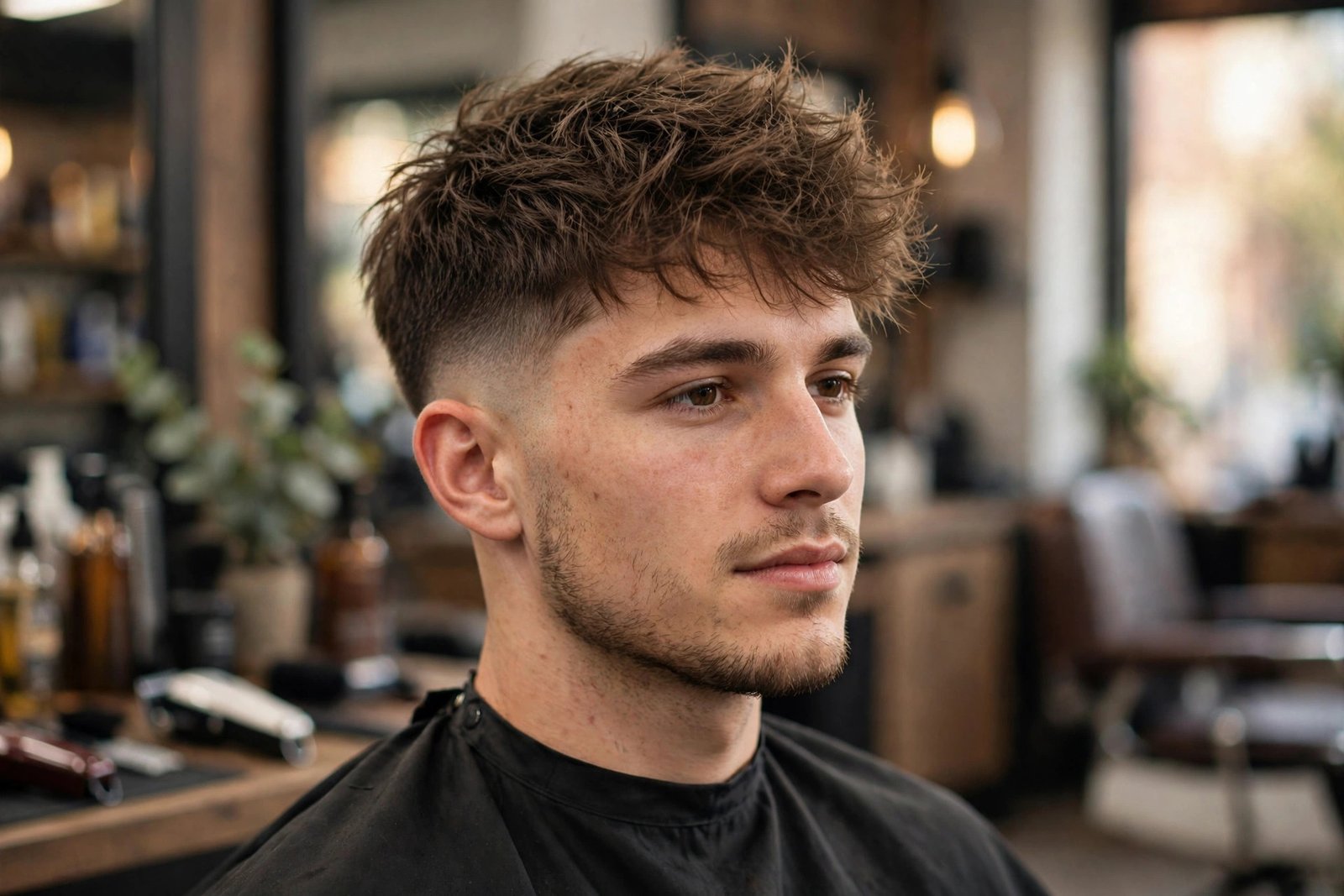
Mid Taper Fade: Styles, Maintenance & What to Ask Your Barber
What Is a Mid Taper Fade?
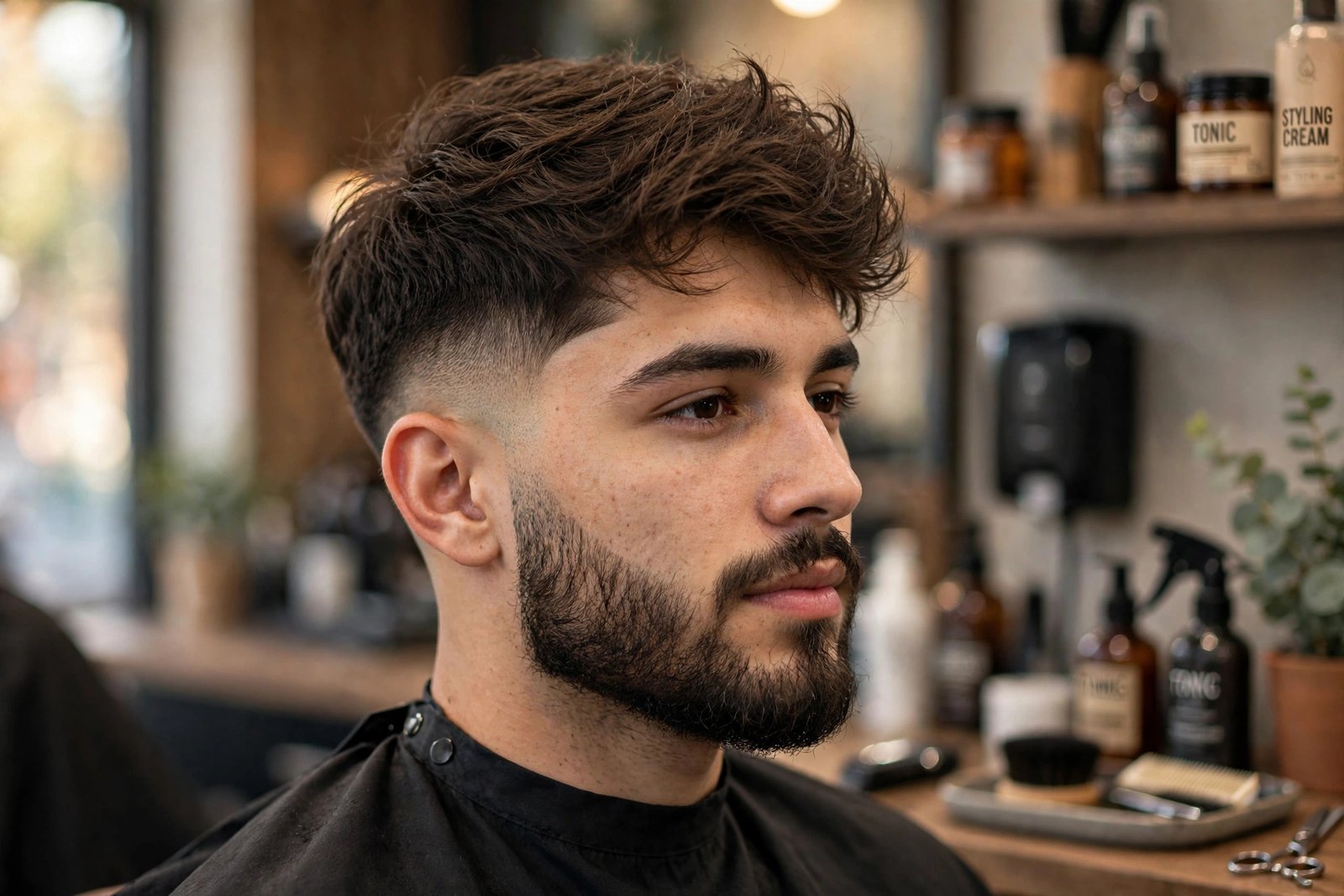
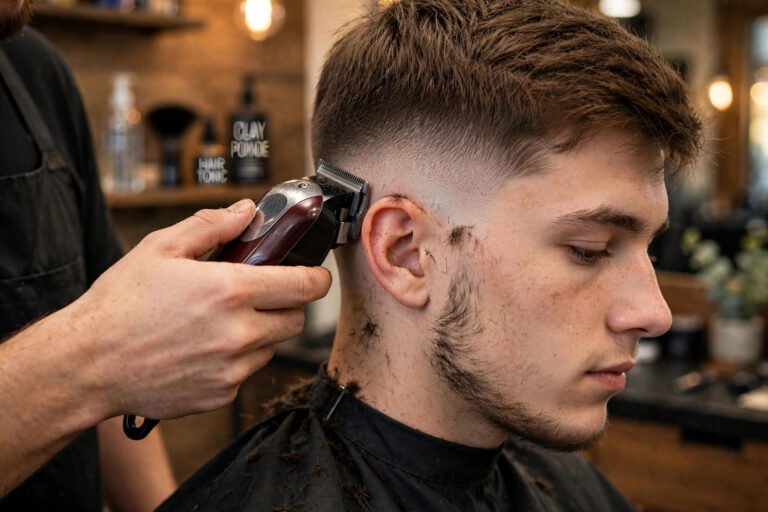
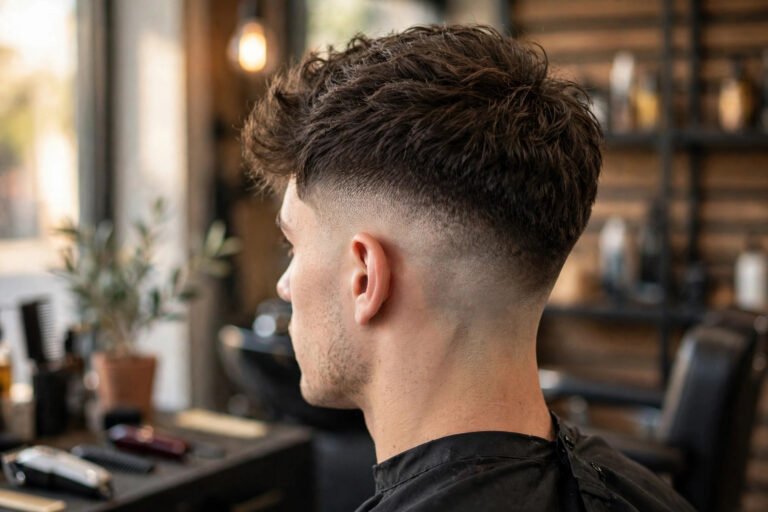
The mid taper fade is the middle child of the taper family — and like many middle children, it quietly gets the best of both worlds. The fade begins around the temples: higher than a low taper, lower than a high taper. It blends down toward the ears and neckline, giving you visible definition and clean contrast without going full statement mode.
Think of it as the “can’t decide” haircut in the best possible way — sharper than a low taper, softer than a high taper. It suits men who want their cut to look intentional and modern, yet still appropriate everywhere: the office, a wedding, the weekend.
Like all tapers, the fade stays localized around the edges rather than taking the whole side down, so you keep fullness through the sides. For background on the family, see the taper fade overview.
Mid Taper Fade Styles to Try
Balanced doesn’t mean boring. These are the mid taper versions worth knowing:
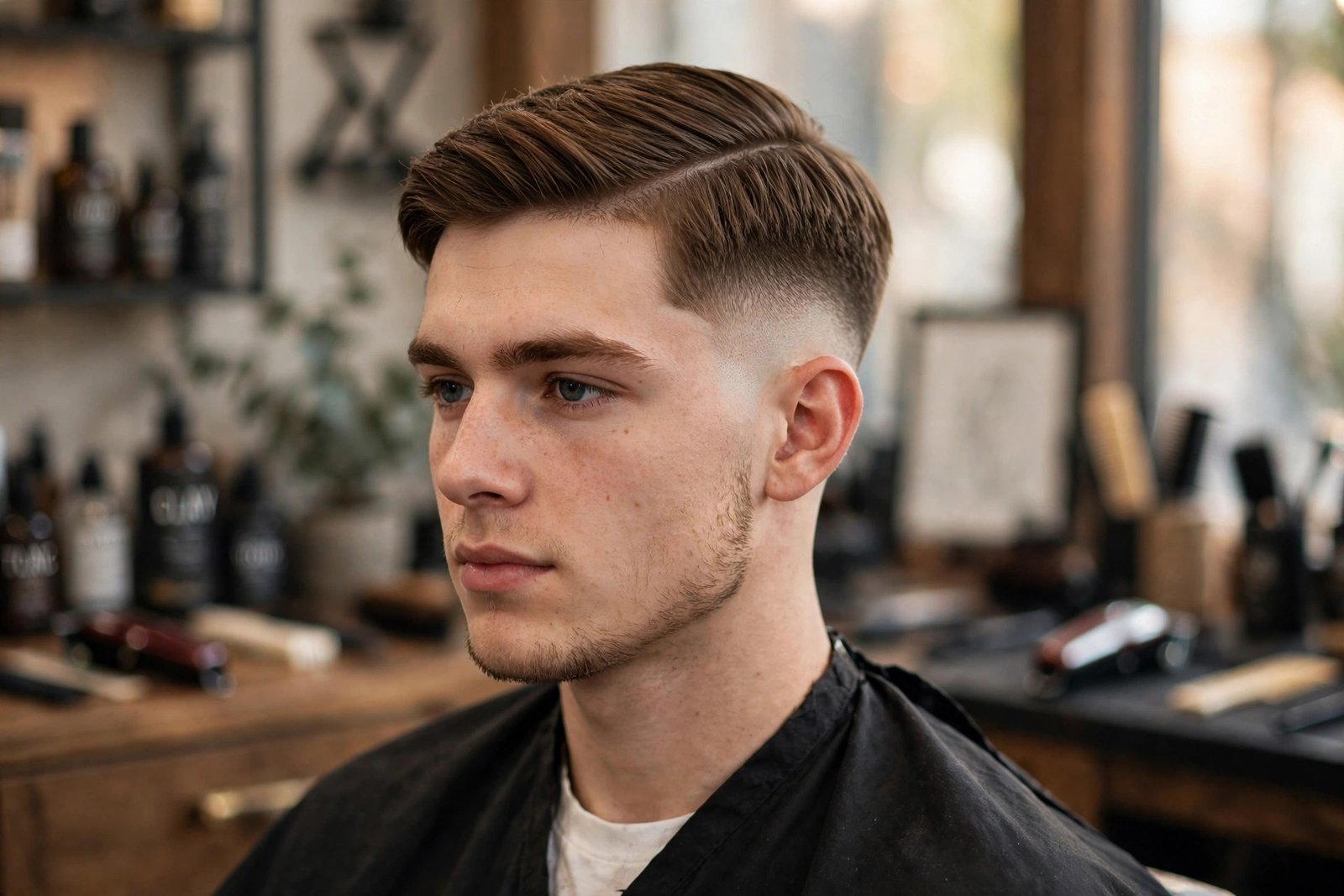
Classic Mid Taper Fade
The benchmark: defined sides starting at temple level, with enough top length to part, quiff, or brush back. The most requested version for a reason — it photographs well and grows out evenly.
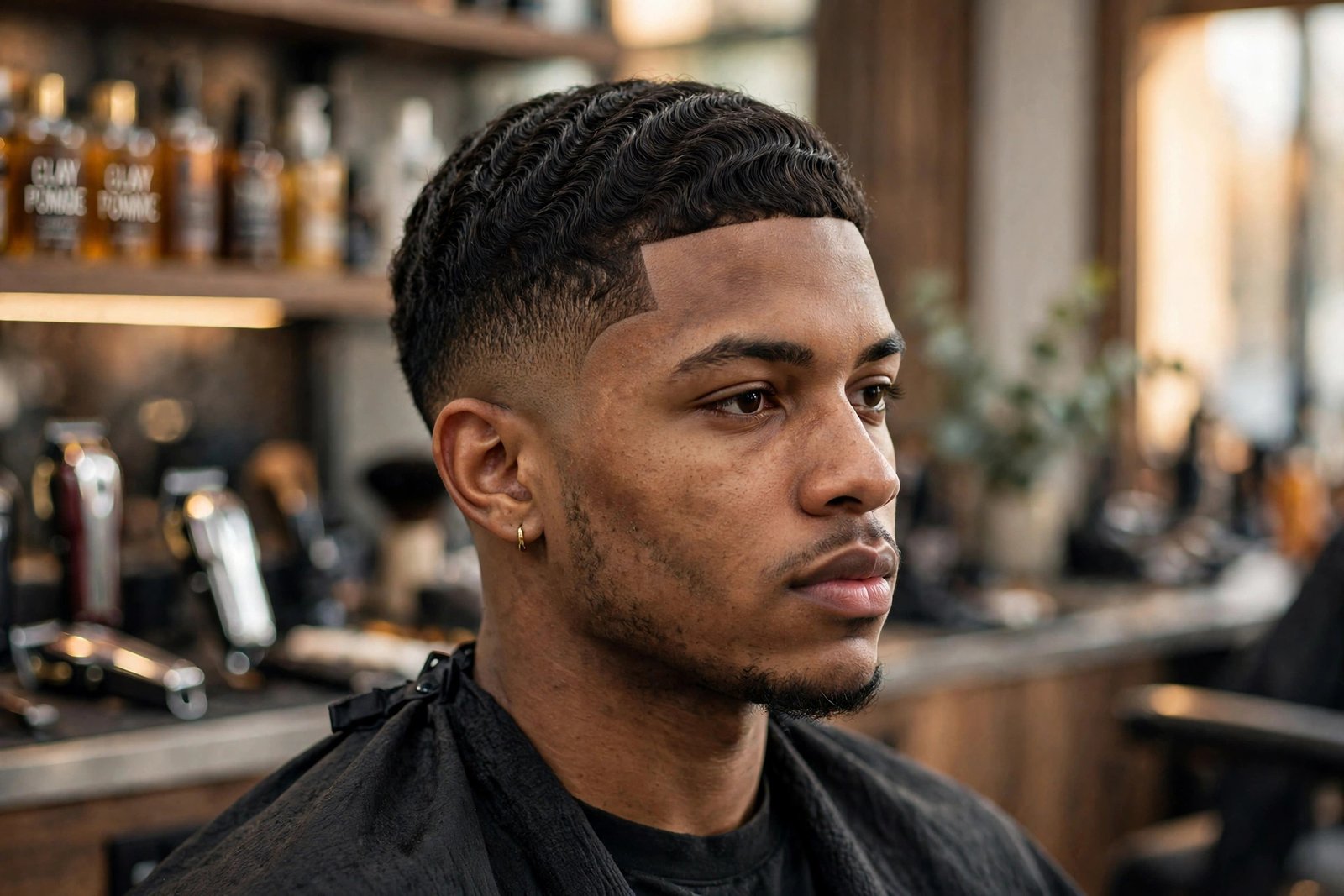
Mid Taper Fade with Waves
The mid height frames 360 waves perfectly — enough fade to make the pattern pop, enough coverage to keep everything smooth. Brush daily, durag at night, light pomade: the standard wave routine applies unchanged.
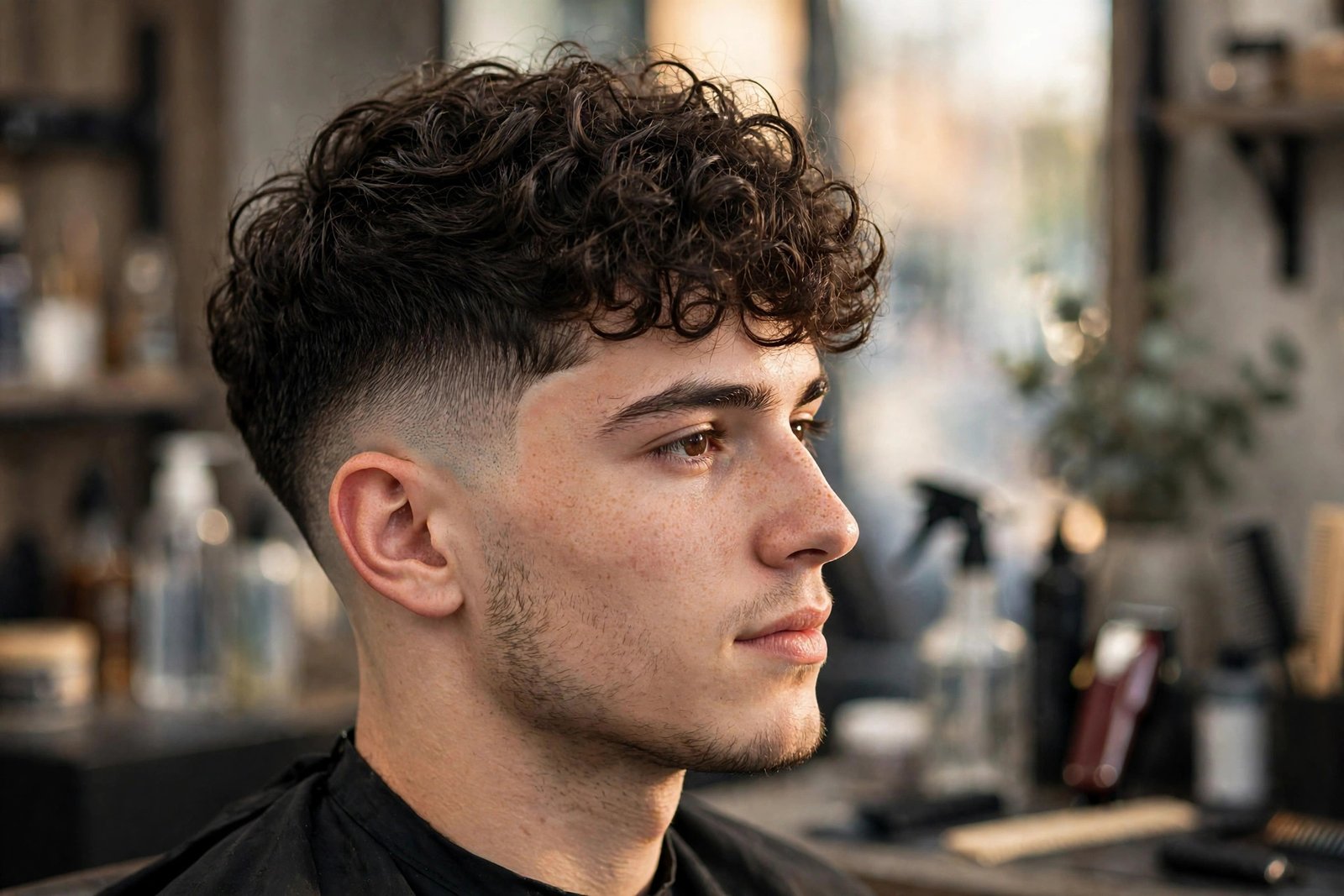
Mid Taper Fade with Curly Hair
Curls keep their volume while the mid taper carves a clean shape around them. A curl cream keeps things defined and the fade handles the structure. Especially good for medium-length curly tops.
Mid Taper Fade with a Beard
The temple-level fade flows naturally into a beard, giving one continuous groomed look from crown to chin. Ask for the sideburn blend specifically — that’s the detail that makes it look seamless rather than separate.
Mid Taper vs Low and High Tapers
Here’s where the middle sits:
| Feature | Low Taper | Mid Taper | High Taper |
| Fade starts | Near the neckline | Around the temples | Above the temples |
| Contrast | Subtle | Balanced | Bold |
| Upkeep | Every 3 to 4 weeks | Every 2 to 3 weeks | Every 2 to 3 weeks |
| Grow-out | Graceful | Moderate | Noticeable |
| Character | Conservative | Versatile | Statement |
Full guides: Low Taper Fade and High Taper Fade.
What to Tell Your Barber
Land the middle with precision:
- Say “mid” and point to temple level — that’s the landmark that separates it from low and high.
- Choose your finish: a shadow keeps it soft, skin adds edge.
- Talk through the top: the mid taper supports everything from crops to longer textured styles.
- If you have a beard, ask for the temple-to-beard blend by name.
- Rebook in 2 to 3 weeks to keep the transition crisp.
Maintenance and Styling
Middle-of-the-road upkeep to match:
- Trims every 2 to 3 weeks keep the mid transition sharp.
- Wash 2 to 3 times a week; style the top daily — that’s where this look lives.
- Matte paste for texture, pomade for polished styles.
- A quick neckline cleanup between visits extends the fresh look.
FAQs
Is the mid taper fade good for beginners?
Yes — it’s the safest “visible” fade. Noticeable enough to feel like a real change, forgiving enough to grow out well.
Does it work with thin hair?
It can. The balanced contrast adds an illusion of structure — just ask your barber to keep the blend soft rather than stark.
What’s the difference between a mid taper and a mid fade?
A mid fade takes more of the side down; a mid taper keeps the fade localized around the temples and edges, preserving fullness. Related reading: our Taper Fade vs Skin Fade breakdown.
How often should I trim it?
Every 2 to 3 weeks for the crisp look — though it still looks respectable at week four.
Final Thoughts
The mid taper fade is the all-rounder: definition without drama, modern without edge. Compare it with the Low Taper Fade and High Taper Fade guides to find your height, browse the Hair category for more, or request a cut via Contact Us.


2 Comments