Taper Fade vs Taper: Key Differences, Styles, and Which One to Choose
Ask five people what a taper fade is and you will get five different answers. Some barbers use the term for a soft, gradual cut. Others hear it as a close blend that drops to the skin. That gap is why so many people leave the chair with a haircut they did not expect.
This guide clears it up. You will learn how a taper differs from a fade, what each variation looks like, which top styles pair best with each, and the exact words to use with your barber. By the end, you can choose with confidence.
What Is the Difference Between a Taper and a Fade?
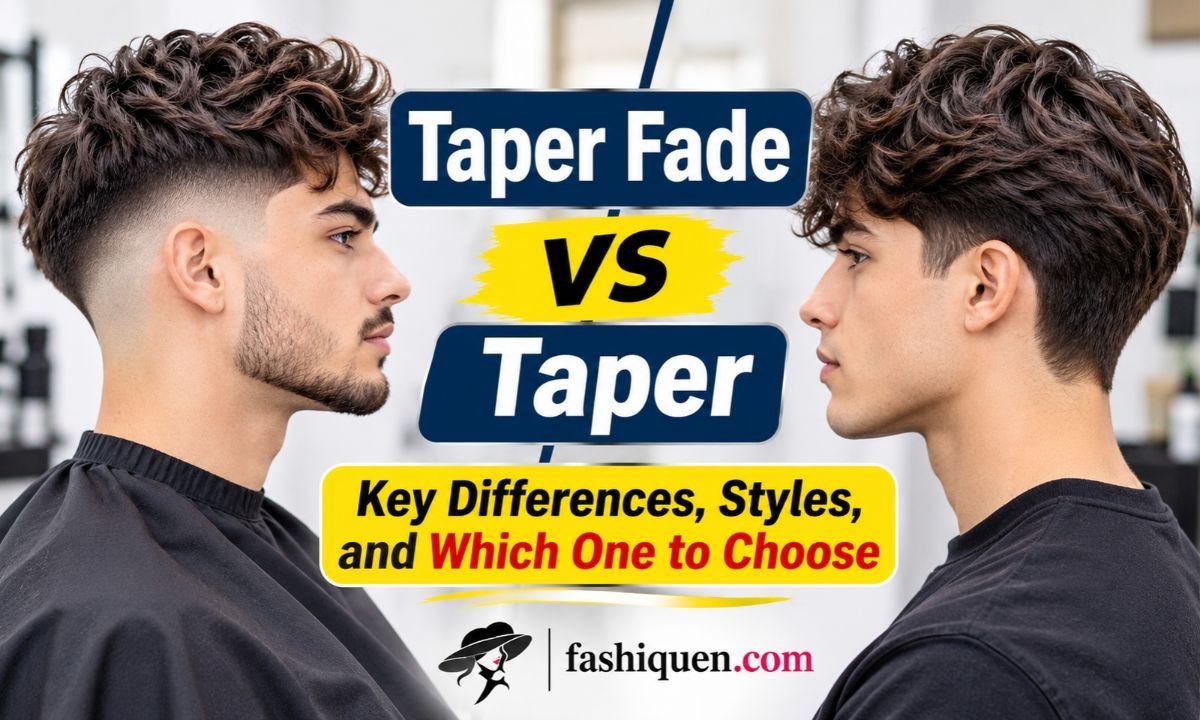
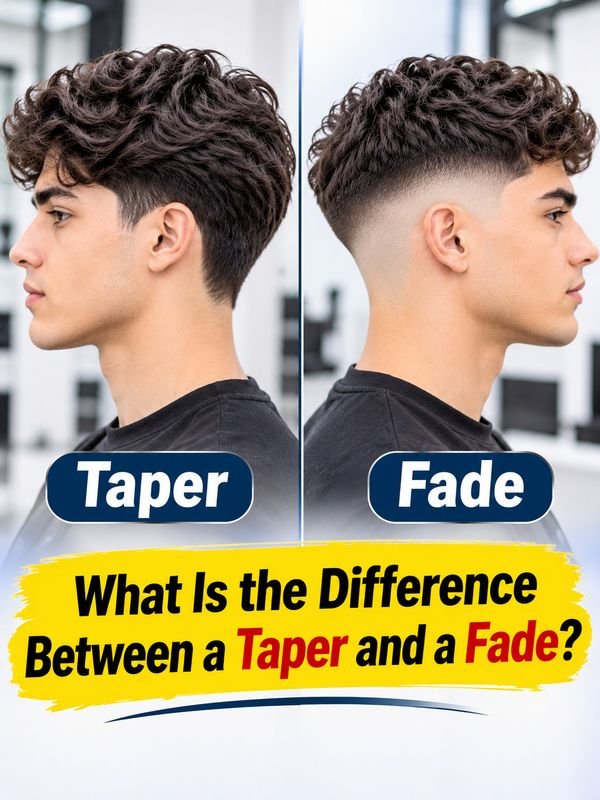
A taper shortens the hair gradually down the sides and back, leaving visible length at the neckline and sideburns. A fade blends the hair down to bare skin or very close to it, which creates stronger contrast.
The easiest way to remember it is this: every fade is a type of taper, but not every taper is a fade. The real difference is how short the hair gets at the bottom and how quickly it gets there.
| Feature | Taper | Fade |
| Length at the bottom | Short but visible hair | Skin or near-skin |
| Contrast | Soft and gradual | Sharp and dramatic |
| Blending zone | Sideburns and neckline | Can climb to the temple or higher |
| Overall look | Classic, tidy | Modern, crisp |
| Typical upkeep | Every 3–4 weeks | Every 2–3 weeks |
| Works well for | Office, formal settings | Statement cuts, sport, trend-driven looks |
How Can You Tell a Taper from a Fade in a Finished Haircut?
Look at the lowest part of the cut. If you can still see hair at the sideburn and nape, you are looking at a taper. If skin shows through and the hair seems to melt away, it is a fade.
Use these quick checks:
- Skin visible at the bottom? That points to a fade.
- Hair still has length at the neckline? That points to a taper.
- Looks soft from across the room? Likely a taper.
- Looks sharp and high-contrast? Likely a fade.
Why Do Barbers Use “Taper” and “Fade” Differently?
Barbershop language changes by region, shop, and even generation. Some barbers call any smooth blend a fade. Others reserve the word for cuts that go to skin.
The phrase “taper fade” grew out of that confusion. Most barbers read it as a taper, and sometimes as a low fade. Because of this, describe the length you want at the bottom instead of leaning on the name alone.
What Is a Taper Haircut?
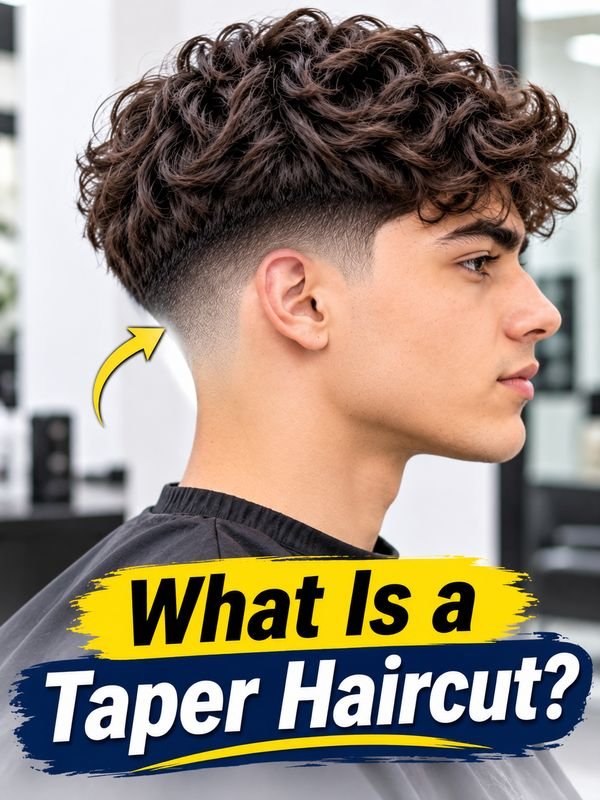
A taper haircut keeps the hair longer on top and shortens it in a smooth gradient toward the neckline and around the ears. The bottom stays visible and soft, never bare. It is the safest, most polished option in the barbershop.
Think of it as a quiet haircut. It frames the face, cleans up the edges, and does not draw attention to the sides. That is why it suits offices, weddings, and anyone who wants neat without loud.
How Is a Taper Cut?
Barbers build a taper with clippers and guards, then refine it with scissors or shears. The process usually looks like this:
- They start with a longer guard near the upper sides.
- They step down to shorter guards toward the sideburns and nape.
- They blend the transitions with a clipper-over-comb technique or a lever.
- They clean the edges around the ears and neckline.
The key is the gentle gradient. There should be no visible lines or harsh steps.
What Are the Main Taper Variations?
Tapers change based on where the shortening begins and which areas get it. The common versions are:
- Low taper: starts near the ears and neckline.
- Mid taper: begins roughly at temple height.
- High taper: starts higher on the head.
- Sideburn taper: shortens only the sideburns.
- Neckline taper: shapes only the back of the neck.
- Scissor taper: uses shears for a softer, longer finish.
What Is a Low Taper Haircut?
A low taper starts the gradual shortening close to the hairline, just above the ear and around the nape. Most of the side hair stays at its natural length. It is subtle and easy to grow out.
It is a great first taper if you have never tried one. It keeps the shape of a classic cut and still looks refreshed. Pair it with a side part, a quiff, or natural curls on top.
What Is a Fade Haircut?
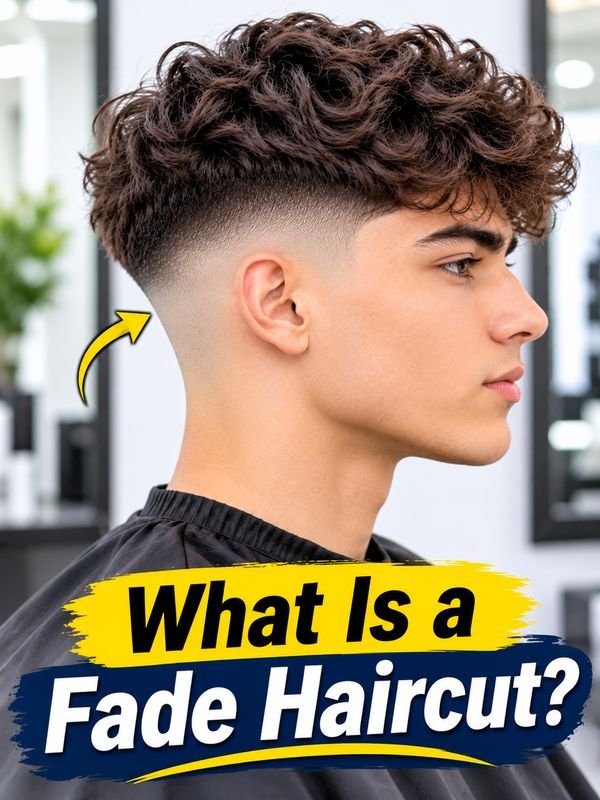
A fade haircut blends hair from longer on top to very short, or bare, at the bottom. The transition is smooth, but the contrast is strong. Skin often shows at the base, which gives the cut its sharp edge.
Fades take more skill than tapers because the blend must be clean at a very short length. Small mistakes show quickly. That is why finding a barber who does fades well matters.
Which Two Variables Define a Fade Request?
Every fade comes down to two decisions:
- Height: where the fade begins on the head (low, mid, or high).
- Bottom length: how short it gets at the base (skin, a zero guard, or a longer guard).
When you give your barber both details, the name of the fade hardly matters. They can picture the exact result.
What Are the Main Fade Types?
Fades are named by their shape and bottom length. The most common are:
- Skin or bald fade: goes all the way to skin.
- Shadow fade: stops just above skin for a softer finish.
- Drop fade: curves down behind the ear.
- Burst fade: curves around the ear in a semicircle.
- Temple fade: focuses on the temples and the hairline.
- Taper fade: a softer fade that stays closer to a taper.
What Is a Low Fade Haircut?
A low fade starts just above the ear and follows the natural hairline around the back. It leaves most of the sides intact and keeps the contrast tight. It is the easiest fade to wear to work or school.
A low fade reads cleaner than a low taper because the bottom reaches skin. That small difference is the heart of the taper vs fade debate.
What Does Taper Fade Mean?
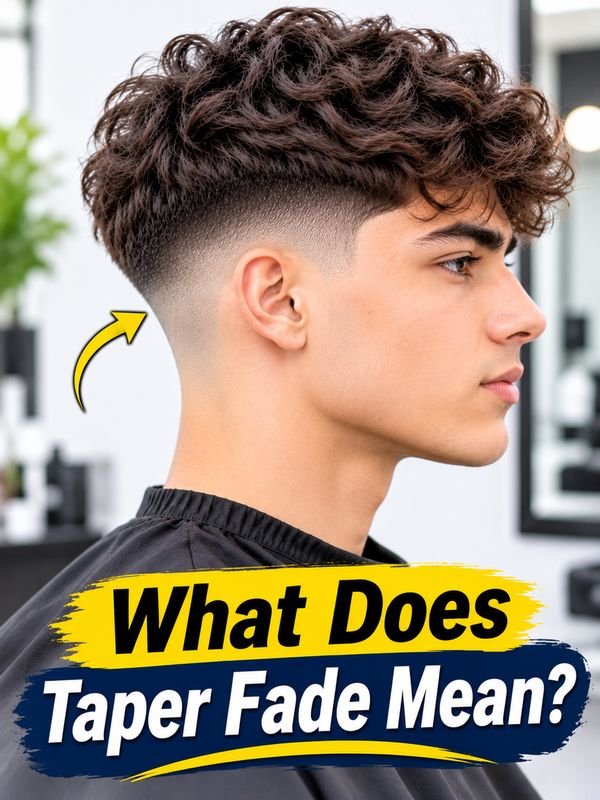
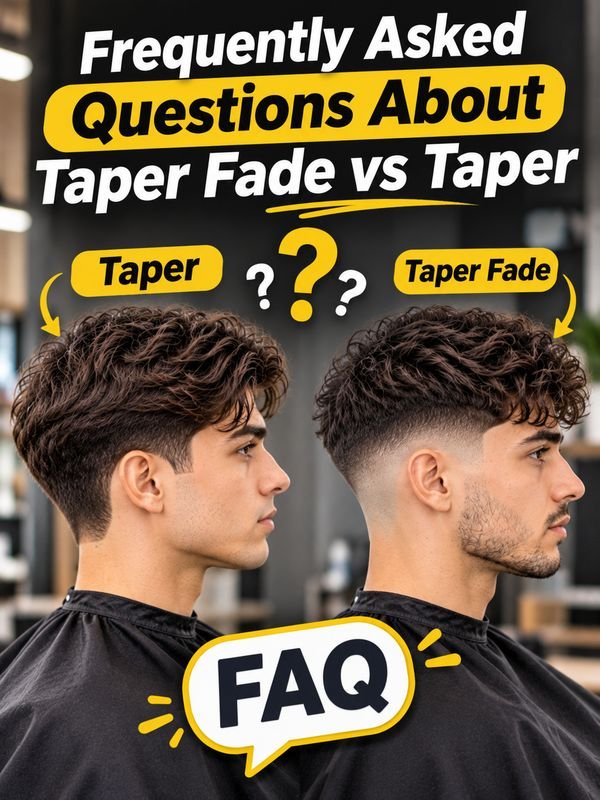
A taper fade is a hybrid. It uses the gradual shape of a taper but cuts the hair shorter at the very bottom, so it looks softer than a skin fade yet sharper than a classic taper.
Because the term is flexible, it means slightly different things from one barber to the next. That is why confirming the bottom length matters.
How Is a Taper Fade Different from a Regular Taper?
A regular taper keeps visible hair at the neckline. A taper fade shortens that bottom edge so much that it nearly disappears. The result has a cleaner, more modern finish.
Here is a simple way to picture it. A taper is a gentle slope. A taper fade is the same slope, with the last inch sharpened.
What Is a Low Taper Fade?
A low taper fade stays close to the ear and neckline. The blend is short and tidy, and the sides keep most of their body. It is subtle, versatile, and easy to maintain.
It suits people who want a clean outline without a dramatic look. It also works well on hair that is thick or curly on top.
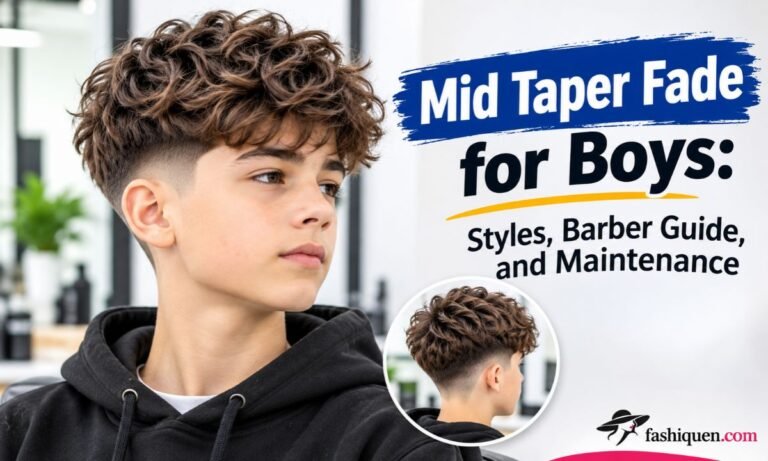
What Is a Mid Taper Fade?
A mid taper fade begins around the temples, in the middle of the head. It gives a balanced look that is not too soft and not too bold. This is the most requested height because it flatters nearly every face and hair type.
If you want a deeper look at this height for younger clients, our mid taper fade for boys guide covers school-friendly versions and barber tips that also help adults.
What Is a High Taper Fade?
A high taper fade starts above the temples, closer to the crown. The sides get very short, and the contrast with the top is strong. It is a bold, sporty choice that draws attention to the top hair.
It works best when you want a crisp, defined shape. Expect more frequent trims, since the short sides lose their sharpness quickly.
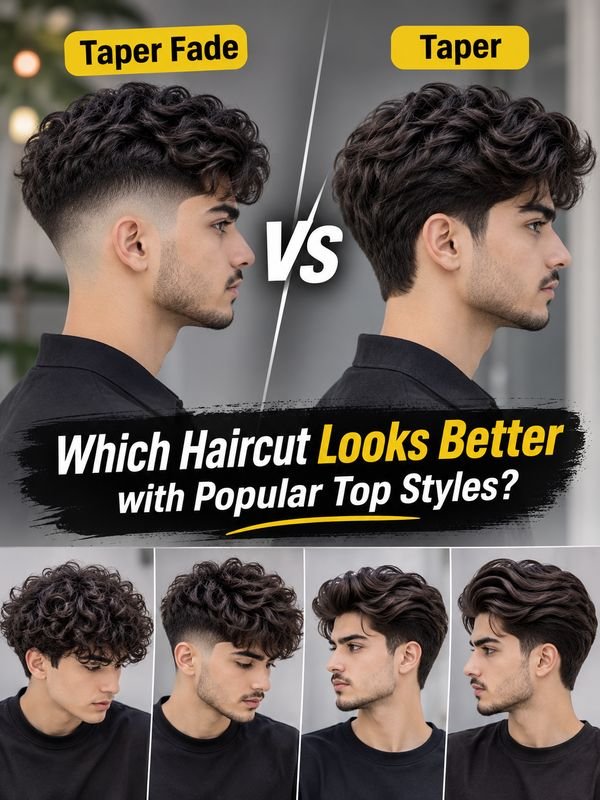
Taper Fade vs Taper: Which Haircut Looks Better with Popular Top Styles?
The best choice depends on what you do with the hair on top. A taper adds polish to longer, textured styles. A fade sharpens short, structured ones. Use this table as a starting point.
| Top style | Better match | Why it works |
| Classic side part | Taper | Soft sides keep the look traditional |
| Quiff or pompadour | Taper fade | The contrast lifts the volume on top |
| Textured crop | Fade or taper fade | Short sides highlight the texture |
| Crew cut | Taper | Clean and low-maintenance |
| Buzz cut | Fade | Smooth blend across a short canopy |
| Curly top | Taper fade | Frames curls without losing shape |
| Slick back | Taper | Keeps a formal, polished silhouette |
| Mullet or long back | Taper fade or burst fade | Gives the length somewhere to land |
A few simple rules help:
- Longer top, softer sides: go with a taper.
- Short top, sharp edges: go with a fade.
- Textured or curly top: a taper fade gives shape without harshness.
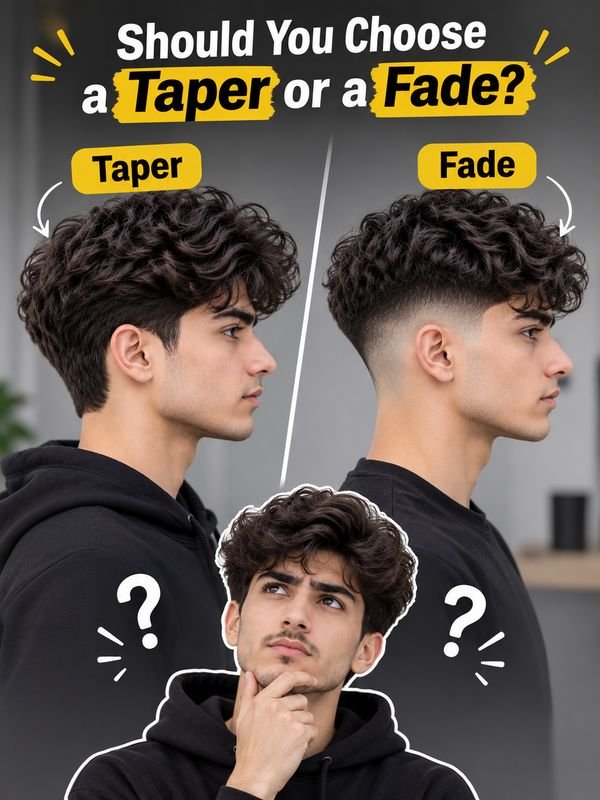
Should You Choose a Taper or a Fade?
Choose a taper if you want a soft, low-effort finish that fits formal settings. Choose a fade if you want crisp edges and strong contrast. Pick a taper fade if you want something in between.
The right answer depends on your style, your hair, and your routine. The next sections help you narrow it down.
Which Finish Matches Your Style and Setting?
Your daily environment matters more than trends. A cut that looks great in a creative studio may feel too bold in a conservative office.
- Corporate or formal: taper or low taper fade.
- Creative or social: mid or high fade.
- Athletic lifestyle: low-maintenance taper or a skin fade you can refresh often.
- Mixed settings: mid taper fade, which adapts to both.
How Do Texture, Density, and Scalp Visibility Change the Choice?
Hair texture changes how a cut looks and holds. Straight, fine hair shows scalp quickly in a fade, so a taper can look fuller. Thick or wavy hair holds structure well and handles higher contrast.
Curly and coily hair blends beautifully in both cuts, but curls can hide the line between the top and sides. A fade makes that line visible. A taper keeps it subtle.
If your scalp shows through easily or you have uneven density, a longer bottom edge keeps the cut looking balanced.
How Much Do Face and Head Shape Matter?
They matter more than most people expect. Sides that are too short can make a narrow face look longer. Soft sides can make a round face look wider.
- Round face: a mid or high taper fade adds angles.
- Square face: a low taper or low fade softens strong lines.
- Oval face: almost anything works.
- Long face: keep sides fuller with a low taper.
- Flat or uneven head shape: a taper hides more than a skin fade does.
What Is the Fastest Way to Decide?
Ask yourself three quick questions:
- Do I want visible skin at the bottom? If yes, choose a fade.
- Do I want a very soft transition? If yes, choose a taper.
- Am I unsure? Choose a low or mid taper fade and ask your barber to leave a short guard at the base.
That last option is the safest compromise. You can always go shorter next time.
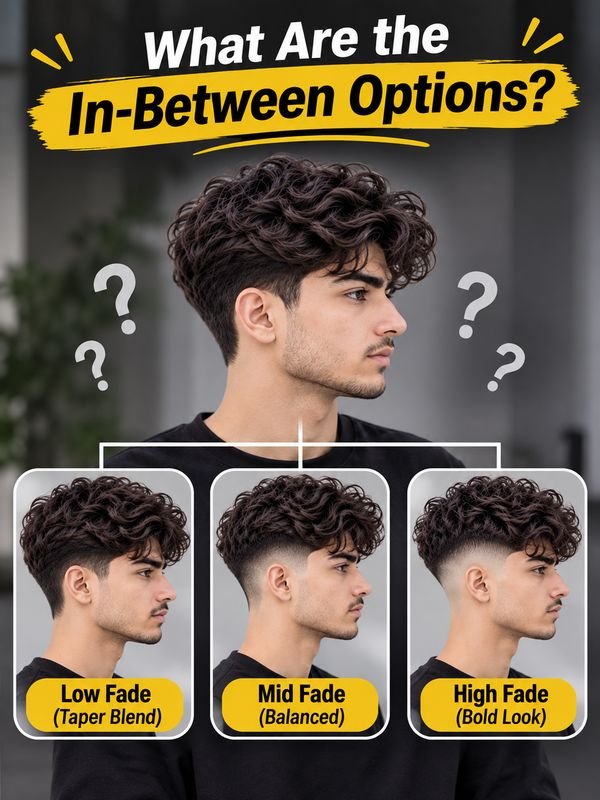
What Are the In-Between Options?
Not every cut fits neatly into taper or fade. Several middle-ground options give you cleaner edges without committing to skin. Here are three worth knowing.
Temple and Nape Taper
This is the lightest option. Only the area around the temples and the back of the neck is shortened. The rest of the sides stay full.
It tidies the edges and keeps the overall shape natural. It is ideal for longer styles that still need a neat outline.
Low Zero or Guard-Length Fade
Instead of going to bare skin, the barber stops at a zero guard or a longer one, such as a one or two. You get the blend and the contrast, but the hair never fully disappears.
This is a good fit if you like the look of a fade but want a softer result or have a sensitive scalp.
Scissor-Cut Sides or a Classic Short Back and Sides
A scissor-cut version uses shears and a comb to create a slight taper without clippers. The finish is natural and slightly textured.
This old-school option grows out gracefully and suits relaxed or vintage styles. It is also forgiving if you cannot visit the barber often.
Taper Fade vs Burst Fade: What’s the Difference?
A taper fade blends evenly along the sides and back. A burst fade curves in a semicircle around the ear, then leaves longer hair at the nape. The burst shape stands out far more.
| Feature | Taper fade | Burst fade |
| Shape | Straight or gently curved | Semicircle around the ear |
| Back length | Blends down the neckline | Keeps length at the nape |
| Best paired with | Quiffs, crops, side parts | Mohawks, mullets, curls |
| Visual impact | Subtle to moderate | Bold and stylized |
| Upkeep | Every 2–4 weeks | Every 2–3 weeks |
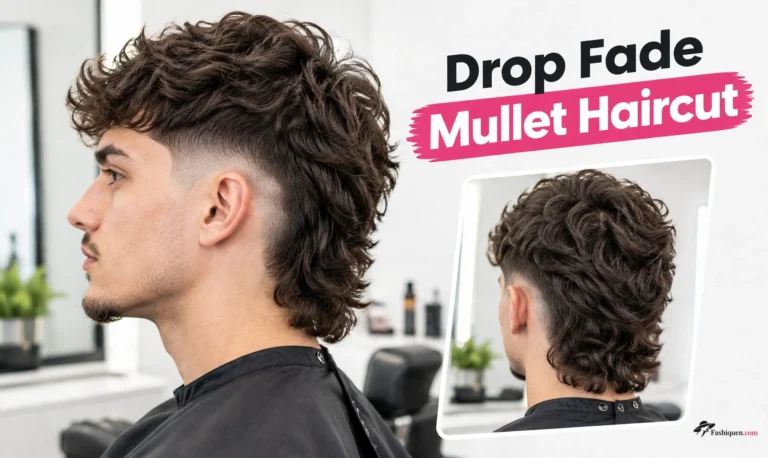
Burst fades work well when you want to keep length in the back. If that idea appeals to you, our drop fade mullet haircut guide shows how a similar curved fade pairs with longer hair.
Choose the taper fade for a clean, universal cut. Choose the burst fade when you want a distinct shape that frames the ear and highlights the length behind it.
Taper Fade vs Taper for Black Hair: Which Style Should You Choose?
Both work very well on Black hair, and the choice comes down to the look you want and how your hair behaves. Tapers keep a soft outline that suits waves, twists, and natural curls. Fades give sharper edges that pair nicely with line-ups and crisp shapes on top.
A taper is easier to maintain and more forgiving between visits. A taper fade adds clean contrast and defines the hairline well. A skin fade gives the sharpest result but needs the most frequent upkeep.
Close cutting needs one extra thought. Healthline explains that razor bumps and ingrown hairs are more likely when curly hairs are cut or shaved very close and then curl back into the skin. If you are prone to irritation, a taper or a guard-length fade is the kinder option.
A few practical tips:
- Ask for a guard on the bottom if your skin gets irritated.
- Moisturize the scalp after every cut.
- Skip aggressive razor work around the neckline if bumps are a problem.
- Use a soft brush to define waves between visits.
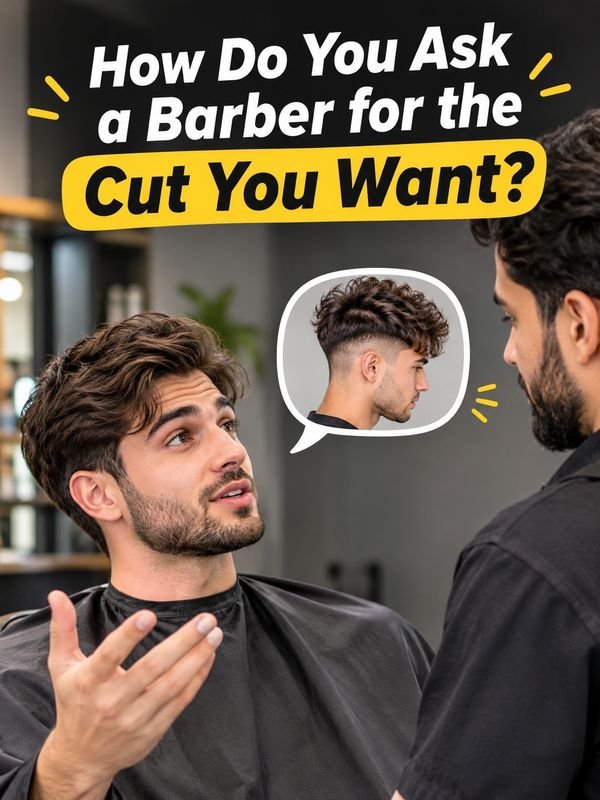
How Do You Ask a Barber for the Cut You Want?
Clear details beat fancy names. A good request tells the barber where the blend starts, how short it ends, and what to do with the top. A photo helps even more.
What Five Details Should Your Request Include?
- Height: low, mid, or high.
- Bottom length: skin, a zero guard, or a specific guard number.
- Style: taper, fade, or taper fade.
- Top length: how much to leave on top.
- Edges: natural hairline, line-up, or soft finish.
What Can You Say Word for Word?
Use these as templates:
- “I’d like a mid taper fade, with a number one guard at the bottom, and about two inches left on top.”
- “Please give me a low taper, not a fade. I want to keep some length at the neckline.”
- “Can you do a low fade down to skin with a natural hairline, not a sharp line-up?”
- “I’m not sure about the height. What would you suggest for my head shape?”
Bring a photo if you can. Words vary, but pictures do not.
What Are the Drawbacks and Edge Cases?
Every cut has trade-offs. Knowing them helps you avoid disappointment. The biggest difference is how quickly each style looks tired. Fades lose their edge fast, while tapers stay presentable longer.
When Should Close Cutting Concern You?
Be careful if you have sensitive skin, a history of ingrown hairs, or visible scars on your scalp. Skin-level cuts can irritate the area and highlight uneven skin.
If this sounds like you, choose a guard-length fade or a taper. Tell your barber about any bumps or sensitivity before the first pass.
What If Thinning or Uneven Density Changes the Look?
Thinning hair and patchy density change how a fade reads. A high-contrast fade can make thin areas stand out. A softer taper blends them in.
Ask your barber to leave a little more length on top of the thin area. This keeps the overall shape balanced and avoids a harsh line.

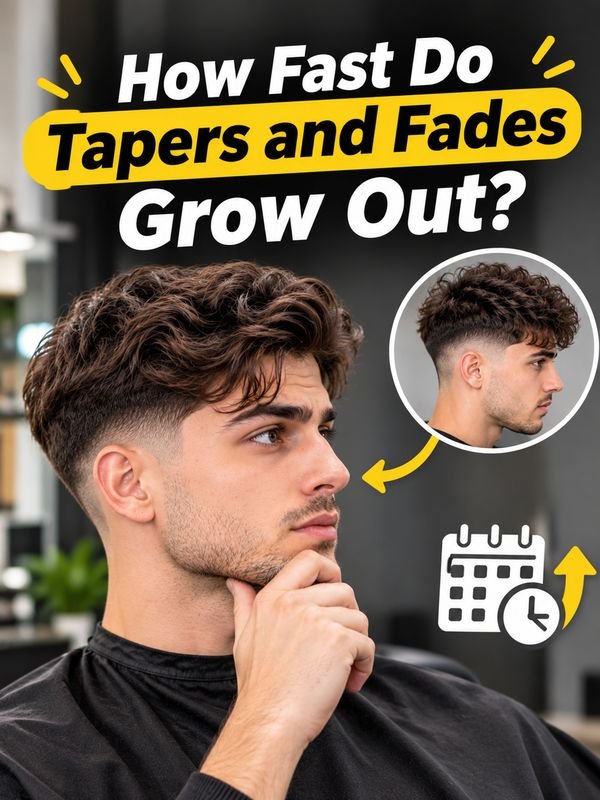
How Fast Do Tapers and Fades Grow Out?
Hair grows roughly half an inch per month, so a short cut loses its shape quickly. Fades usually look fresh for about two to three weeks. Tapers hold their form closer to three or four weeks.
The reason is simple. A fade relies on a very short base, so even small regrowth softens the contrast. A taper starts longer, so it grows out more gracefully.
Here is a quick guide:
- Skin fade: refresh every 2 weeks.
- Taper fade: refresh every 2–3 weeks.
- Classic taper: refresh every 3–4 weeks.
- Scissor-cut sides: refresh every 4–6 weeks.
If you want to stretch the time between visits, pick a low taper. It grows out almost unnoticed.
Frequently Asked Questions About Taper Fade vs Taper
Is a Taper Fade Better Than a Taper?
Neither is better overall. A taper fade has more contrast and a more modern look, while a taper is softer and easier to maintain. Choose the one that fits your style and schedule.
Is a Low Taper Fade the Same as a Low Taper?
Not exactly. Both start low near the ears, but a low taper fade shortens the bottom edge more, while a low taper keeps visible hair at the neckline. The taper fade looks a bit sharper.
Is a Mid Taper Fade Better Than a Low Taper Fade?
It depends on the look you want. A mid taper fade has stronger contrast and suits bold styles. A low taper fade is subtler and works better for formal settings.
What Is the Difference Between a High Taper Fade and a Low Taper Fade?
The difference is where the blend starts. A high taper fade begins near the crown and removes more side hair. A low taper fade starts near the ears and keeps more length. The high version looks bolder.
Does a Taper or Fade Last Longer?
A taper lasts longer. Its longer base grows out more gradually, so it stays neat for three to four weeks. A fade usually looks best for two to three weeks.
Which Haircut Is Better for Black Men?
Both work well. A taper is softer and easier to maintain, while a taper fade or fade gives sharper contrast. If you are prone to razor bumps, choose a taper or a guard-length fade.
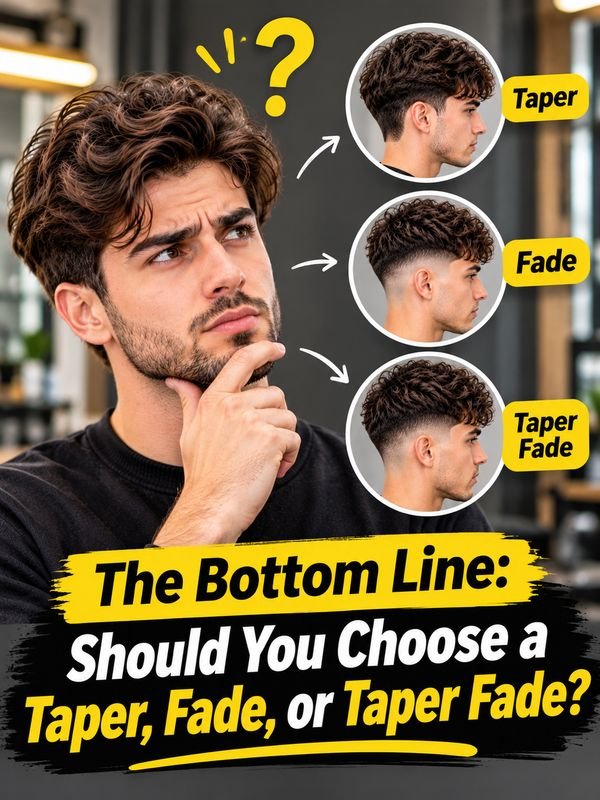
The Bottom Line: Should You Choose a Taper, Fade, or Taper Fade?
A taper gives you a soft, gradual finish that suits formal settings and lasts longer between cuts. A fade gives you sharper contrast and a modern look but needs more frequent upkeep. A taper fade sits in the middle and works for most people.
If you are unsure, start with a low or mid taper fade and ask for a guard at the base. Describe the height, bottom length, and top style clearly, and bring a photo. You will leave the chair with the cut you pictured.